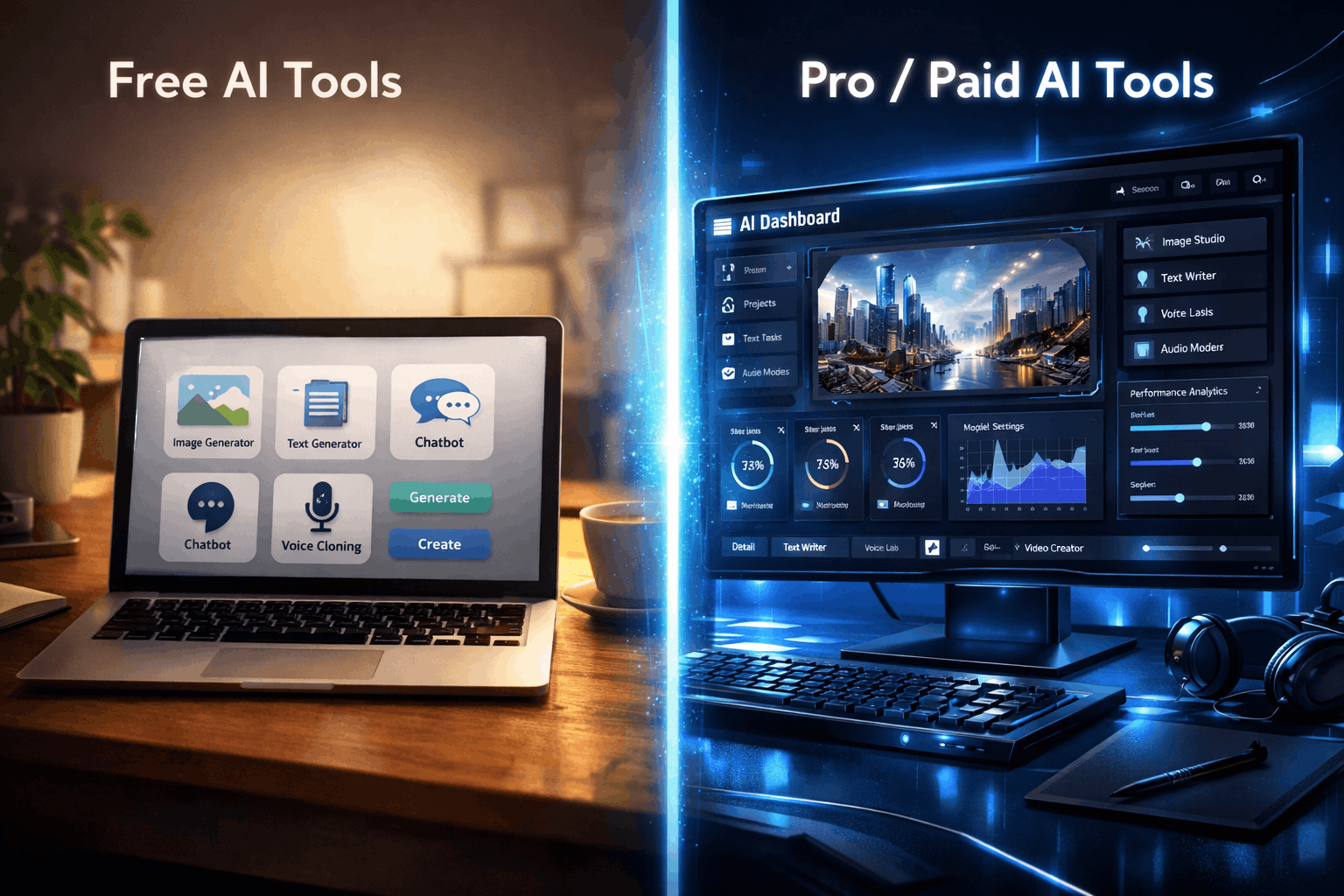
Meta Description: Discover the real difference between free and paid AI tools, including features, security, performance, and ROI. Learn which option is best for creators, businesses, and marketers.
Primary Keyword: Free vs Paid AI Tools
Secondary Keywords: best AI tools, free AI software, paid AI platforms, AI tool comparison, AI software benefits
Introduction
Artificial intelligence tools are transforming how we write content, design graphics, edit videos, analyze data, and automate workflows. But one question almost every creator or business owner asks is:

Should I use free AI tools or invest in paid ones?
The answer depends on your goals, budget, technical skill level, and growth plans. While free tools seem attractive at first glance, paid platforms often provide advanced features, better support, and long-term reliability. In this guide, we’ll compare both options in detail so you can choose wisely.
What Are Free AI Tools?
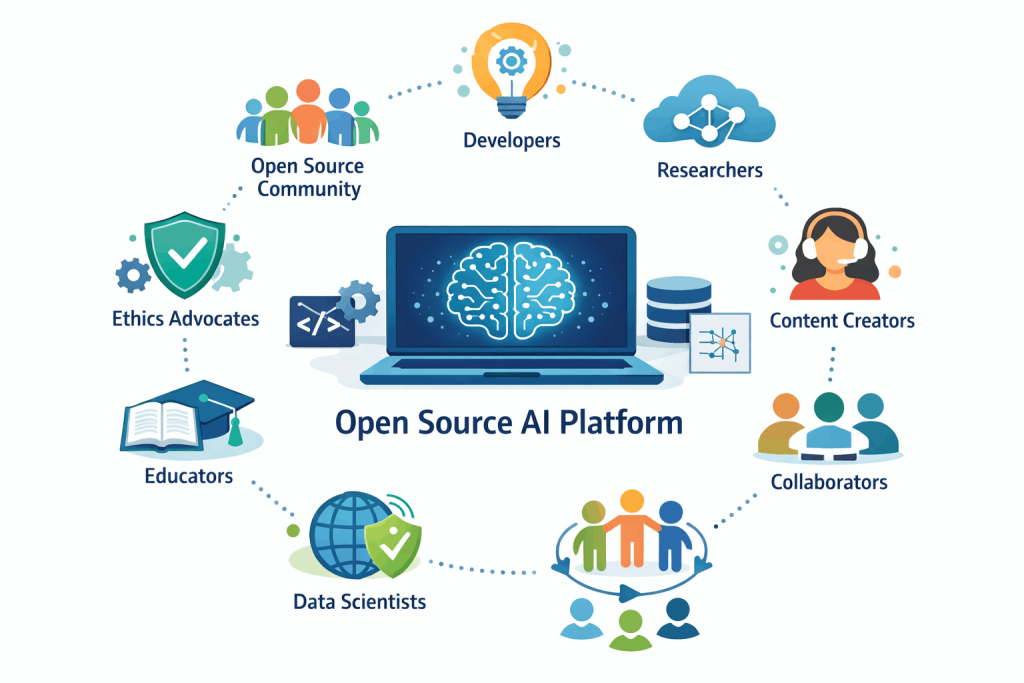
Free AI tools are software platforms available without subscription fees. These tools often use open-source technology or freemium business models.
They are especially useful for:
- Beginners learning AI tools
- Students and freelancers
- Startups with limited budgets
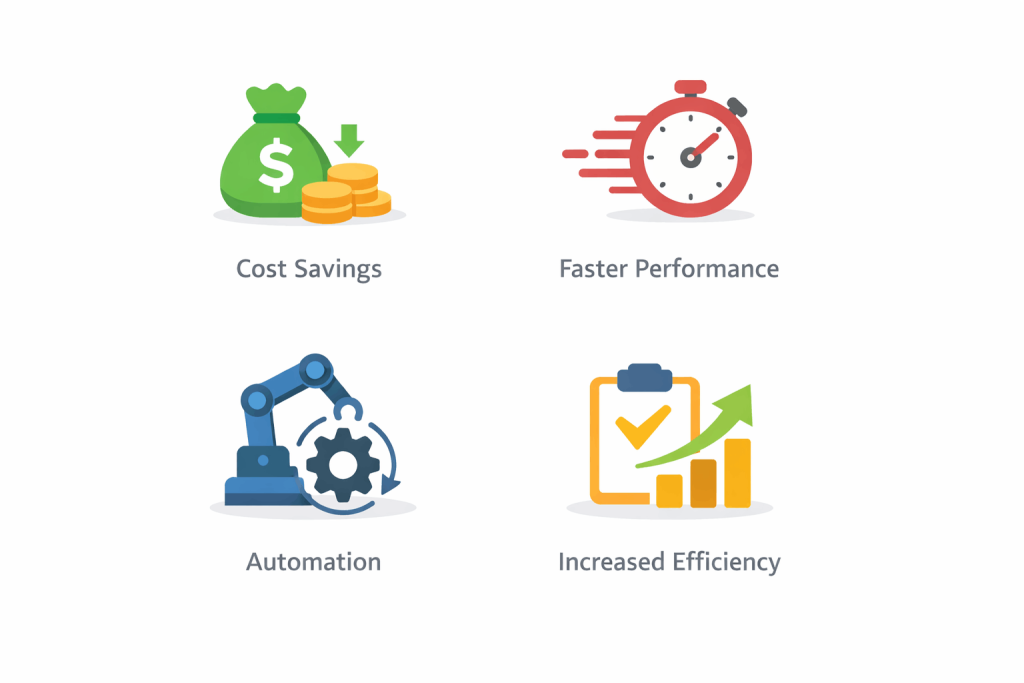
One of the biggest advantages is cost savings. Studies show businesses save billions annually using open-source software due to eliminated licensing fees. (Payara Services Ltd)
Free tools also benefit from global developer communities that constantly improve features, fix bugs, and release updates. (Information Age)
What Are Paid AI Tools?
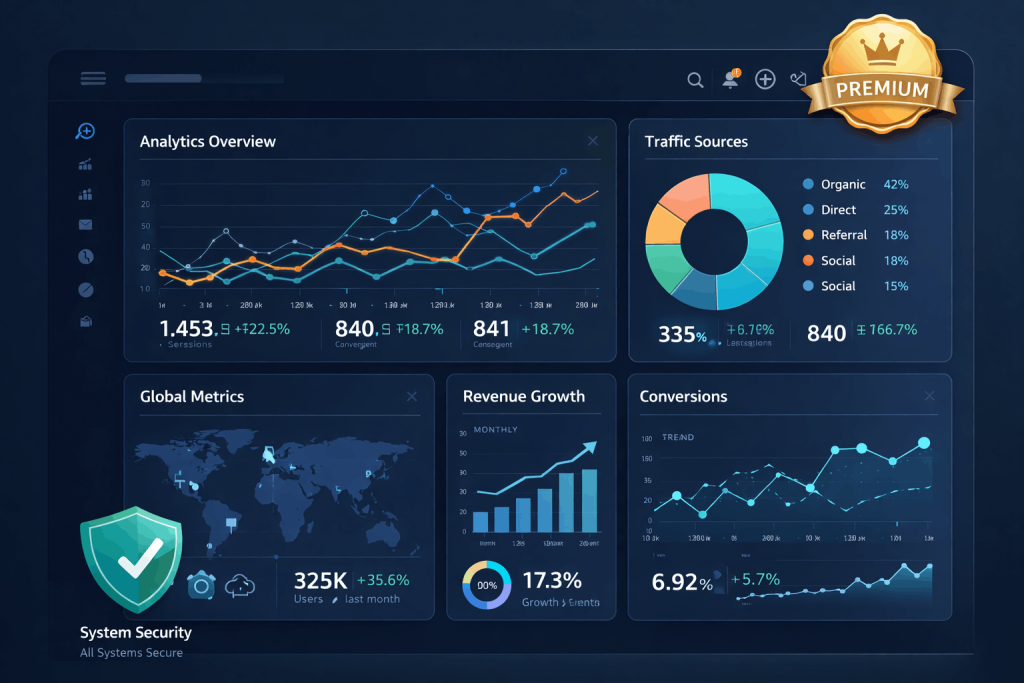
Paid AI tools require subscriptions or one-time payments. They are usually proprietary platforms built by companies offering advanced capabilities and professional support.
Typical advantages include:
- Premium features and automation options
- Dedicated customer support
- Faster updates and bug fixes
- Better performance and reliability
Premium tools often provide 24/7 assistance, advanced features, and regular updates that free software may lack. (Medium)
Free vs Paid AI Tools — Quick Comparison Table
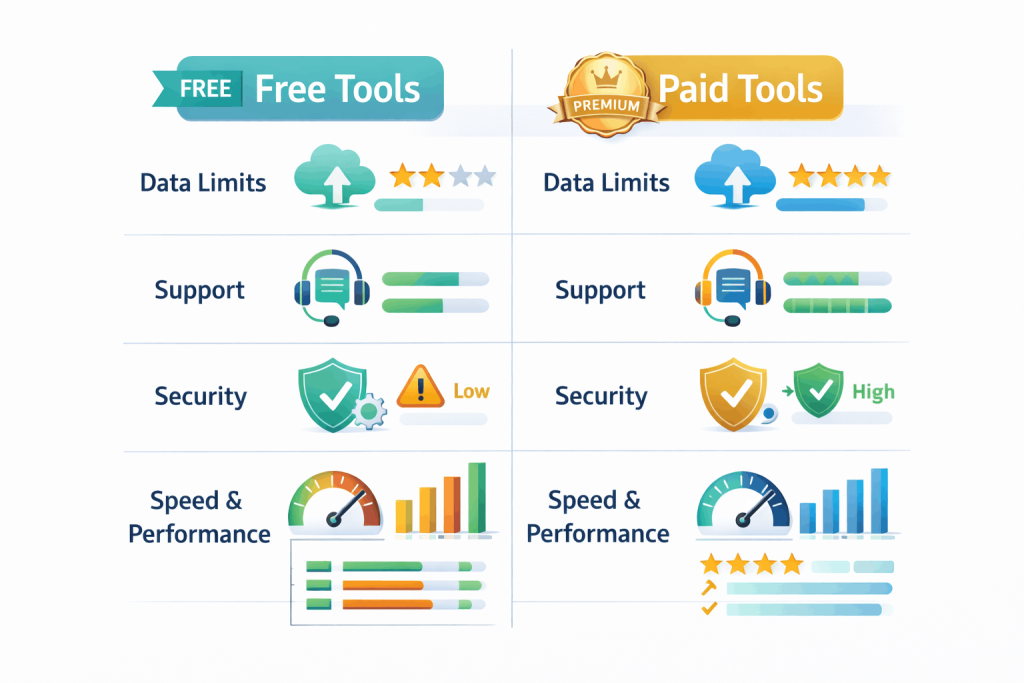
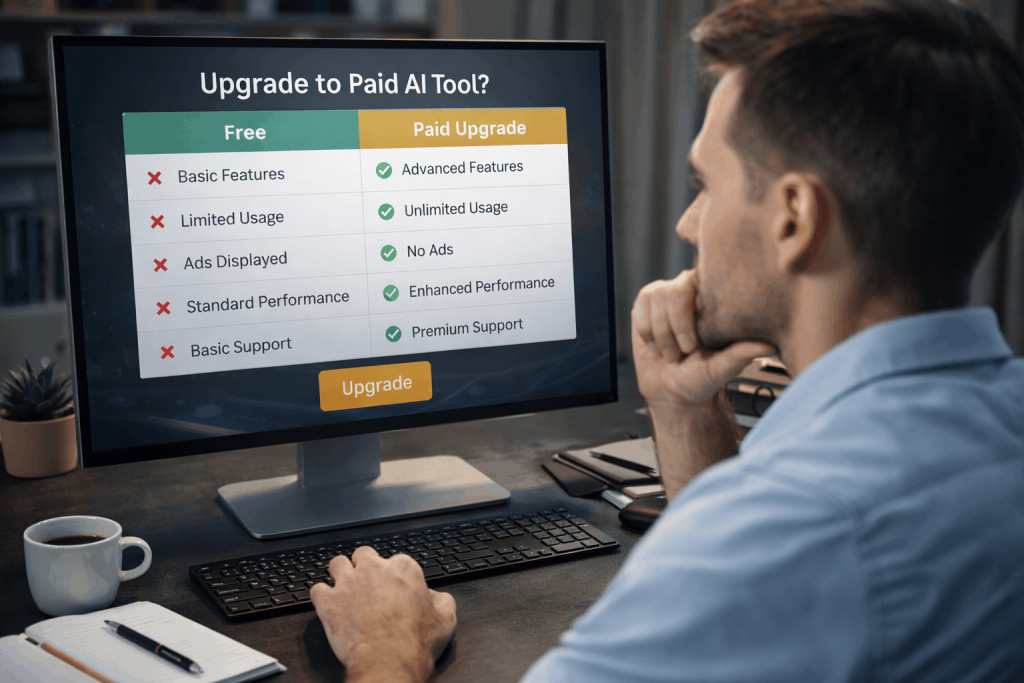
| Feature | Free AI Tools | Paid AI Tools |
|---|---|---|
| Cost | Free | Subscription required |
| Features | Basic | Advanced |
| Support | Community-based | Dedicated support |
| Performance | Limited | Optimized |
| Security | Varies | Usually stronger |
| Updates | Irregular | Frequent |
| Customization | Often high | Limited but stable |
| Scalability | Limited | Enterprise-ready |
Advantages of Free AI Tools
1. Cost-Effective for Beginners
Free tools eliminate upfront investment, making them ideal for experimentation and learning. Many individuals choose free software simply because it fits tight budgets. (Infragistics)
2. Flexibility and Customization
Open-source platforms allow users to modify code to suit specific needs, offering unmatched flexibility. (blogs.psico-smart.com)
3. Strong Community Support
Global developer communities test, improve, and expand features, often leading to rapid innovation. (Information Age)
4. Transparency
Since source code is visible, users can inspect functionality and security mechanisms. (MCG Computer Australia)
Disadvantages of Free AI Tools
Despite benefits, free tools have limitations you should consider.
1. Security Risks
Open-source software can contain vulnerabilities that attackers may exploit if not properly maintained. (cobalt.io)
Some free programs even carry malware risks, as cybercriminals may disguise malicious software as free downloads. (blog.washburn.edu)
2. Lack of Dedicated Support
Many free tools rely on community forums rather than professional support teams, which can slow problem resolution. (negg Blog)
3. Limited Features
Free tools often lack advanced compliance features like audit trails or secure processing required by businesses. (aplosanalytics.com)
4. Update and Maintenance Issues
Research shows around 64% of open-source projects show signs of abandonment, meaning updates may stop entirely. (Infragistics)
Advantages of Paid AI Tools
1. Professional Reliability
Paid tools are usually maintained by dedicated teams who ensure stability, bug fixes, and security updates.
2. Faster Performance
Premium platforms often prioritize paying users with faster processing and lower latency, especially during peak usage. (Reddit)
3. Advanced Features
Paid AI systems typically use more powerful models and larger datasets, producing higher-quality results. (Reddit)
4. Better Security and Compliance
Proprietary software restricts source-code access, which can reduce exposure to vulnerabilities compared to public codebases. (BuzzClan)
Disadvantages of Paid AI Tools
Even premium software isn’t perfect.
- Subscription costs can become expensive for teams. (Medium)
- Some tools include features you may never use. (Medium)
- Users must rely on vendors for updates and fixes. (Payara Services Ltd)
Interestingly, research analyzing 30,000 mobile apps found that paid apps sometimes contain more vulnerabilities because they include more features and code libraries. (arXiv)
This shows that price alone does not guarantee quality or security.
Hidden Costs of “Free” AI Tools
Many users assume free tools have no cost. In reality, they may include indirect expenses:
- Time spent troubleshooting
- Training staff to use complex systems
- Compatibility issues
- Maintenance efforts
These hidden costs can sometimes exceed the price of paid alternatives. (aplosanalytics.com)
When Free AI Tools Are Worth It
Free AI software is best if you:
- Are just starting out
- Want to test features before buying
- Work on small projects
- Have technical skills for customization
Students, hobbyists, bloggers, and solo creators often find free tools perfectly sufficient.
When Paid AI Tools Are Worth It
Premium AI platforms are better if you:
- Run a business or agency
- Need reliable uptime
- Require security compliance
- Work with sensitive data
- Produce content professionally
Paid tools are especially valuable for companies because breaches, downtime, or poor performance can lead to financial losses, legal penalties, and brand damage. (ConnectWise)
Free vs Paid AI Tools for Different Users
| User Type | Best Option |
|---|---|
| Students | Free |
| Bloggers | Free → Paid later |
| Freelancers | Freemium |
| Startups | Mixed |
| Enterprises | Paid |
| Agencies | Paid |
Expert Insight from Community Discussions
Online discussions highlight another overlooked factor: data privacy. One expert noted:
“Free AI tools… involve trade-offs involving data privacy and vendor lock-in.”
This reflects growing concerns that free platforms may use user data for training or analytics. (Reddit)
Key Decision Factors Before Choosing
When deciding between free and paid AI tools, evaluate:
- Budget – Can you afford subscriptions long term?
- Purpose – Hobby or professional use?
- Security Needs – Handling sensitive data?
- Scalability – Will you need advanced features later?
- Support Requirements – Do you need fast technical help?
Final Verdict: Which Is Worth It?
There is no universal winner in the free vs paid AI tools debate. Each option serves a different audience.
Choose free AI tools if:
- You are experimenting or learning
- Budget is limited
- You don’t need advanced features
Choose paid AI tools if:
- You depend on AI for income
- Reliability and speed matter
- Security is critical
👉 In simple words:
Free tools are great for starting. Paid tools are better for scaling.
Conclusion

The decision between free and paid AI tools is not about which is better overall — it’s about which is better for you. Free platforms provide accessibility and flexibility, while paid solutions offer performance, support, and reliability.
Smart users often combine both: they test ideas with free tools and upgrade only when necessary. This hybrid approach maximizes value while minimizing risk.
As AI continues evolving, the real advantage will belong to those who choose tools strategically rather than blindly following trends.